Suppose you are looking for a comprehensive Tibet travel guide to get up-to-date information on traveling to Tibet for a safe, ethical, and unforgettable journey in Tibet. Here we cover everything you need to know, from navigating complex permit requirements and understanding cultural nuances to managing high altitudes, to experience the heart of Tibet. We are here to ensure your Tibet journey is seamless, enriching, and connected to the authentic spirit of Tibet as a local Tibetan travel agency.
1: Entry requirements: Visas and Tibet Travel Permits
China Visa: Your Gateway to China (and Tibet)
First of all, we will need to understand Chinese visas; specifically, a tourist visa is the primary document required to visit Tibet. You will need to obtain this before your travel date from the nearest Chinese embassy or consulate; a Chinese visa is not issued upon arrival.
Visa-free entry 2026: Currently, China offers 30 days of visa-free entry to citizens of 77 Countries for tourism, business, meeting families, or transit. This free visa grants access to China, but for Tibet, you will need a Tibet travel permit in addition to the free visa.
Standard Chinese Tourist L Visa: If your passport doesn't have a free visa for China. You must apply for the China tourist L visa at the nearest Chinese Embassy or Consulate. The process of applying for and getting the visa could take about 2-3 weeks. Therefore, it is recommended to apply at least a month in advance to avoid delays.
Important tip for Visa application: When applying for a Chinese Tourist Visa, it is critical not to list Tibet (Tibet Autonomous Region) or any other Tibetan Cities in Tibetan-inhabited areas of other provinces of China as destinations on the visa application.
Chinese Group Visa (from Nepal): If you have a Chinese tourist Visa or a free visa for China, you can enter Tibet from Nepal. But with any other form of Chinese Visa, you can't use that visa to enter Tibet from Nepal. Therefore, you will need to obtain a group visa from the Chinese embassy in Kathmandu. We will send you the visa invitation from the Tibet Tourism Bureau; only a registered agency in Nepal can apply for it at the Chinese embassy in Kathmandu. There is a minimum requirement of 4 pax for the group visa. If you already have any other visa on your passport, this visa will automatically supersede it upon issuance of a group visa. Learn more about the Chinese Group Visa.
Tibet Travel Permit
After the passport and Chinese Visa, the Tibet travel permit is the third most important travel document. All non-Chinese travelers must obtain this permit to visit Tibet. The Tibet Tourism Bureau in Lhasa issues this permit, and only a local Tibetan Travel Agency can apply for it on your behalf.
Application process: Prior to applying for your Tibet travel permit, we would like you to book a Tibet tour with us, agreed upon your plan. You will have to submit your passport and Chinese Visa (if applicable) to us to apply for your Tibet travel permit at the Tibet Tourism Bureau. Our local team will handle the permit process and update you as soon as it is approved.
Permit Delivery: When boarding a flight or train to Lhasa from other cities, you must show the original permit. Therefore, we will have to arrange delivery to your hotel. Please send us your hotel details in advance, and we will have it couriered to your hotel before your arrival.
2: Additional Permit for the restricted areas
The Tibet travel permit is not a one-stop solution for the entire region of Tibet. There are a few additional permits you will need, depending on your travel plans and places of visit. We will take care of all the permits before sending the original permit to the hotel you provided.
Border permits:
You will need this permit if your journey consists of a border area. A journey to Everest Basecamp, the Kailash area, an overland tour from Kathmandu, and even a flight to and from Nepal to Lhasa needs this permit.
Military permit:
As the name suggests, this permit is issued for visiting military-sensitive areas. As of now, you will only need this if you are visiting the Mount Kailash area. This permit takes about 1-2 weeks to get; the Kailash permit takes the longest.
Alien permit:
This permit is also called a foreigner’s Travel Permit. Many years ago, you needed to get this permit as soon as you left the Lhasa prefecture. Right now, you will only need this permit if you are going to the ruins of the Guge Kingdom. This permit will be issued at the PSB office in Darchen. As you arrive in Darchen, your guide will have to register your arrival in town and ensure that the Guge Kingdom is mentioned on the permit.
3: Getting to Tibet: Air, Train, and Overland Routes
Another very important thing you will need to decide is how you plan to reach Tibet. You can reach Lhasa via other cities in China or via Nepal. The permit situation and the requirements for additional permits can differ depending on how you plan to arrive in Tibet, and your departure place before Lhasa must be clearly stated on the permit. If the wrong place is mentioned on the permit, you will not be able to board a flight or train on time.
Traveling to Tibet by air
- Domestic flights: There are multiple daily flights to Lhasa from major cities in China, including Chengdu, Beijing, Shanghai, Guangzhou, and Xian. This makes it very convenient to reach Lhasa via flight. You can book these flights to Lhasa on all the major flight ticketing platforms. There is no need to submit a Tibet travel permit, as it is issued at the last minute, and you will end up paying high flight fees if you wait to submit the permit. If you are asked for the permit, try booking the ticket on another platform.
- International flight: Currently, there is one international airport with direct access to Lhasa: Kathmandu, Nepal. There is an indirect international flight to Hong Kong from Lhasa. If you are coming to Lhasa on an international flight. There is no way we can send the permit outside China's domestic jurisdiction. So our guide will wait at the international terminal of Lhasa Airport with your permit in hand. She will assist you with the permit checkpoint.
- Booking flights: If you want us to help you book flights to and from Lhasa. We can help you book the flight tickets. Many websites and booking platforms require a permit to book flight tickets. It is outdated information. You don't need a permit to book a flight ticket to Tibet.
Traveling to Tibet by rail way
Before 2026, the train from the mainland to the Qinghai-Tibet Plateau only went as far as Golmud, and the railway line was completed in 1984; it reached Lhasa by 2006.
- The Qinghai-Tibet Railway: Qinghai to Tibet Railway is known as the sky train for its altitude. There is a train connecting Lhasa to all the major cities in China, with journeys of 24-40+ hours. All trains from other parts of China and Tibet are funneled into the Qinghai-Tibet Railway, which is why Xining in Qinghai province is the main hub for train journeys to Tibet.
- Acclimatization Myth: It is commonly believed that taking a train journey from the mainland to Lhasa helps with acclimatization. But if we look at the construction of the Train Cabins for the Qinghai-Tibet Railway, we will find they are designed for high altitudes and are pressurized, as passenger aircraft are. Many studies and our observations show that a pressurized cabin produces the same initial altitude as flying at a direct altitude. It will only make a difference if you stay in Xining for two to three days for acclimatization before coming to Lhasa, either by flight or by train.
- Tickets and Permits: Currently, only Chinese citizens can book train tickets to Tibet from the official platform. Foreigners must book a train ticket to Lhasa through a booking agency or Travel agency. Popular train ticketing platforms like CTrip.com and China Train Booking are privately owned agencies. We have seen that they were asking travelers to submit the Tibet travel permit when booking the train ticket with them. They don't have the authority to ask travelers to submit Tibet permits. It's just that they are trying to find out whether you have a tour booked; if not, they will try to sell you one. If you are traveling with us, we can book your train ticket from any city in China to Lhasa. As of 2026, you will need to show your original permit at the train station before boarding the train departing to Lhasa. You will need to send us your hotel address and booking details to confirm your reservation and have the permit sent to that hotel.
Traveling to Tibet by Road (Overland)
There is plenty of opportunity to travel Overland to Tibet. You can choose whether to do a self-drive tour to Tibet or a proper tour with a private vehicle and driver from Lhasa. First, let's discuss the self-drive overland tour or chauffeur-driven tour with your private tour.
- A self-drive overland tour means you are entering China overland from neighboring Countries. Suppose you are driving your own bike or car from Nepal to Tibet. You will need to send us your driver's license, car registration, and car insurance, along with copies of your Visa and passport, all of which are required to obtain a Tibet travel permit. You will meet your tour guide at the border, and he will help with the border crossing. Read more about our guide for self-drive tours in Tibet.
- Overland chauffeur-driven tour: If you want to do the overland tour as a chauffeur-driven tour, we can arrange the tour guide and driver to meet you at the border. For a chauffeur-driven overland tour, we only need to arrange your Tibet travel permit, and your guide will have it in hand.
Following, we will discuss the overland tour to and from Tibet
- Overland tour between Tibet and Nepal: The route name of this tour is called the Sino-Nepal Friendship Highway. On this route, we can go both ways, but we don't recommend doing this tour from Nepal to Lhasa as it is a nightmare for acclimatization and high-altitude sickness. It is better to start in Lhasa and continue towards Nepal, as this direction offers a better opportunity for proper acclimatization.
- Overland journey from Shangri-La to Lhasa: This route is popularly known as the ancient tea route, which facilitated a massive tea trade between Tibet and Yunnan. This tour typically takes 14 days to reach Lhasa, and from there you can add days to travel farther into central Tibet, then toward Mount Everest Base Camp and Kailash.
- Kashgar to Lhasa overland tour: This is one of the most popular Overland tours in Tibet . This journey takes you along the mighty Himalayan and Karakoram ranges, with exploration of Uyghur and Tibetan cultures. This Route will follow the Xinjiang-Tibet Highway (National Highway G219) and Friendship Highway. We can consider this road trip the world's number 1 route for its extreme, remote, and awe-inspiring landscape.
Finally, when you plan to travel to Tibet, you have to keep in mind the risk of high-altitude sickness. It is real and will affect anyone. Start the tour at a lower altitude and gradually increase the altitude of the place of visit.
4: When to Visit Tibet: Seasons, Weather, and Festivals
Choosing the right time to visit Tibet is very important, as it can significantly affect your trip. It greatly depends on your priorities for your Tibet tour: weather, Crowd levels, festivals, and any specific experiences.
Weather and Seasons
- High Season (April to October): This is the best season to visit Tibet. It offers warmer temperatures, lush landscapes, and access to all regions of Tibet. Yet during this time, you will find more tourists, and tour prices will be higher.
- Best for Kailash: Each year, Kailash is open to travelers from early May to late October. The best time to visit Kailash is from May to July, just before monsoon begins. Saga Dawa festival, which usually falls in June, and the full moon are the most popular times at Kailash. You will find thousands of Hindus flocking around the holy mountain, which makes getting a ticket for Kailash trekking ( which is rationed starting from this year) difficult, and also the hotel price at Darchen would go up, and due to higher traffic it would be difficult in securing the accommodation in Dirapuk and Zuktrulpuk, which could lead to an involuntary return to Darchen.
- Best for Everest Base Camp: July and August are the rainy season in Tibet; if you are visiting Everest during these two months. It is more likely that you will end up with no visibility of Mount Everest. Besides these two months, you can access the mountain at any time of the year. There is a higher possibility of seeing the world's highest mountain from the north face. May, June, September, and early October offer you the clearest skies for the breathtaking views of Mount Everest.
- Low season: winter is the low season, as it is dis characterized by colder temperatures and fewer travelers visiting Tibet. Yet the same reason offers you a more serene and authentic experience. The Tibet tour price in the low season is much lower because vehicle and hotel costs are reduced, and many attractions in Tibet, such as the Potala Palace, are free or discounted by 50%.
- Important update for 2026: for a very long time, Tibet has been closed to international visitors in March. But for the last two years, Tibet has not been closed in March. So if you are planning to visit Tibet in March 2027, it is likely to remain closed; you should check whether it will be open next year.
- Time to Avoid: During the major Chinese National Holiday, there will be massive crowds in Tibet, which could lead to price surges for tours. The first week of May and October are a week-long national holiday in China, and late January or early February is Chinese New Year. Try to avoid the three holidays above when visiting Tibet.
Tibetan Festivals
For incredible immersion into Tibetan culture, aligning your travel dates with Tibetan festivals can be a good idea. Most Tibetan festivals are deeply rooted in our Buddhist traditions.
- Saga Dawa Festival is a month-long festival to commemorate the life of the Buddha. Each monastery has its own special cham dance and other events. Saga Dawa is also a very popular time for Kailash Manasarovar tours.
- Shoton festival (Yogurt festival) is a special Lhasa-based festival. It marks the end of the summer retreat for monks. Main features of this festival include the unveiling of giant thangkas at Drepung Monastery and Sera Monastery, and a lively Tibetan opera performance at Norbulingka.
- Losar: Tibetan New Year falls in feb or March every year. We do not recommend that travelers visit Tibet during this festival, as most restaurants and hotels in Tibet will be closed. Farmers celebrate the Farmers' New Year a month prior. It would be a great time to visit Tibet for the Farmers' New Year to experience the Tibetan New Year.
5: Planning Your Tibet Tour: Group vs. Private Options
Tibet travel regulations prohibit foreigners from traveling to the Tibet Autonomous Region independently. All tours must be guided by a local Travel Agency in Tibet, with an assigned tour guide and a private vehicle. We (a Tibetan travel agency in Lhasa) must obtain your Tibet travel permit on your behalf.
There are two ways you can arrange your tour with a local Tibetan travel agency in Tibet.
- Group tours: Please don't get confused. Group tours are not mandatory. It is a more budget-friendly way of traveling to Tibet. The travel agency will offer weekly tours on popular travel routes like Lhasa to Everest Base Camp, Lhasa to Kailash, Lhasa city tour, or Lhasa to Kathmandu Overland tours. A group tour is a cost-effective way to travel to Tibet, where you will share the cost of private vehicles and a tour guide with fellow travelers.
- Private tour: Tibet Private tours provide ultimate flexibility; you can customize your tour itinerary. You can choose your own date that suits your schedule. If you have more than four in the group, the per-person cost of the private tour will become comparable to the price of group tours.
Whether you choose to take the tour privately or as a group, traveling to Tibet is still expensive, as we will have to arrange tour guides and private vehicles, which account for about 75% of the travel cost. English-speaking people in Tibet are very rare, and those with a guide license are even rarer. In the next few years, we predict that Tibetan tour guides will become even more expensive.
Popular Tour Durations
- 4-5 Days in Tibet: If you have only four to five days in Tibet. It is ideal for a Lhasa travel experience. The first day of the tour is an acclimatization day; the third and fourth days cover Potala Palace, Jokhang Temple, Drak Yerpa, and Sera Monastery. If you have 5 days in Tibet, you can add a day trip to Yamdrok Lake.
- 6-10 Days in Tibet: In addition to the above 4-5 day Lhasa tour. If you have 6 to 10 days in Tibet, include Yamdrok Lake, Carola Glacier, and Gyantse. Visiting Everest Base Camp will require 8 to 10 days with Skaya Monastery. 8-day tours to Everest Base Camp are considered the most popular tour for regular travelers.
- 13- 15 Days in Tibet: will bring you to the most popular attraction in Tibet, Mount Kailash, with 3 days of trekking around the holy mountain. Additional 2-3 days include the Guge Kingdom and the clay forest of Tsamda County in western Tibet. You can also add Lhasa, Shigatse, Lhoka, Kongpo, and northern Tibet for 13-15 days in Tibet.
6: Top Experiences and Destinations in Tibet
Tibet is one of the most popular travel destinations for good reason. The land is rich in diverse topography, from alpine forests of Kongpo to the Himalayan mountains to the high-altitude grassland of northern Tibet’s Changthang Region. We have a rich cultural and spiritual heritage, which will add a wonderful sprinkle of experiences to your life for a very long time to come.
The following are some of the must-see destinations and experiences in Tibet.
Lhasa and Central Tibet:
Lhasa is the main tourism hub. You will find all the travel agencies in Tibet based in Lhasa, and the Tibet Travel Permit is issued by the Tibet Tourism Bureau, which is located in Lhasa. It is highly recommended to start your journey in the roof of the world by arriving here first and acclimatizing for a few days before proceeding to higher places.
- Potala Palace: The most iconic building in Tibet is the winter residence of successive Dalai Lamas. It is a UNESCO World Heritage site and can symbolize Tibet's culture and traditions.
- Jokhang Temple and Barkhor Street: The temple is considered the holiest temple in Tibet, as it houses the holiest statue of Buddha Shakyamuni. The statue is said to have been commissioned by the Buddha himself and blessed by him during his lifetime. Surrounding the temple, you will find thousands of Tibetan Buddhists circumambulating, prostrating, and performing different spiritual rituals. The walking path around the temple is known as Barkhor. Due to the crowd and foot traffic, this is also a main traditional market in Lhasa, as old as the city itself.
- Sera and Drepung Monastery: These are two of the three biggest monasteries in Lhasa. Visiting these two monasteries takes a day. In Drepung Monastery, you will find a giant statue of Maitreya Buddha (the Future Buddha), which is said to bless and help those who see it achieve enlightenment. Sera Monastery is known for monks debating every afternoon. Here you can quietly observe the monks debating in the debate courtyard.
- Dark Yerpa and Ganden Monastery: If you have more than three days in Lhasa for acclimatization. we would recommend a day tour to Drak Yerpa and Ganden Monastery. Ganden Monastery is located about 60 Kilometers from downtown Lhasa, and Drak Yerpa is located 30 kilometers. Drak Yerpa has one of the most beautiful landscapes, showing the beautiful Lhasa Valley. All the major popular Tibetan masters have meditated here, making it a famous destination for Pilgrims and a popular off-the-beaten-path attraction in Tibet. Ganden Monastery is located above the Lhasa Kyichu River valley. This is one of the most beautiful monasteries in Tibet; it is also known for its Kora circumambulation, which offers panoramic views of the Lhasa Kyichu River.
- Yamdrok Lake: The lake is located 113 kilometers from Lhasa toward Gyantse and Shigatse. It is one of the three holy lakes in Tibet, spiritually associated with the Buddha Amitabha (the Buddha of infinite light). Besides its spiritual significance, the lake is known for its mesmerizing turquoise waters and a stunning mountain backdrop. As soon as you cross the Khampa La Pass, the environment suddenly changes from a dry, sandy landscape to a lush blue-and-white one. If you have more than 4 days in Lhasa, it is recommended to visit this lake; you can also visit it on the departure date if your flight from Lhasa is in the evening. Traveling toward Central Tibet, you will visit this lake on the way to Gyantse and Shigatse.
Shigatse and Beyond:
Traditionally, the area behind the Kyakrola Pass is known as the Tsang region of Tibet. The area is also known as the breadbasket of Tibet, with most of the barley production coming from this region. The region is a transit point for most tours in Tibet, including those going to Everest Base Camp, overland to Nepal, and the Kailash region. Shigatse is the largest city in the region and the last city in Tibet where you can do all the basic shopping for a Kailash journey and withdraw cash from ATMs. Though you can use WeChat Pay or Alipay everywhere in Tibet, if you are planning to hire yaks, porters, and emergency evacuation for a Kailash trek, bringing enough cash with you will be extra beneficial.
- Tashi Lhunpo Monastery is the largest monastery in Tsang and Western Tibet. The first Dalai Lama founded the monastery, which is the traditional seat of successive Panchen Lamas. The monastery also houses the world’s largest gilded statue of the Maitreya Buddha, which is 20 meters high.
- Gyantse Palchoe Monastery and Kumbum Stupa: Most travelers like this town a lot, and it's a favorite among most Tibet travelers. Almost all repeat visitors ask to arrange an overnight stay in town to explore this traditional town better. In addition to the unique architecture of Gyantse town, Palchoe Monastery, with its Kumbum, makes this the most famous town to visit in Tibet.
- Sakya Monastery: The monastery is the principal seat of the Sakya sect of Tibetan Buddhism. The unique medieval kingdom-style architecture makes this monastery worth visiting. The monastery is also known for its secret library, which contains tens of thousands of manuscripts. Some refer to the Sakya Monastery library as the most mysterious library in the world.
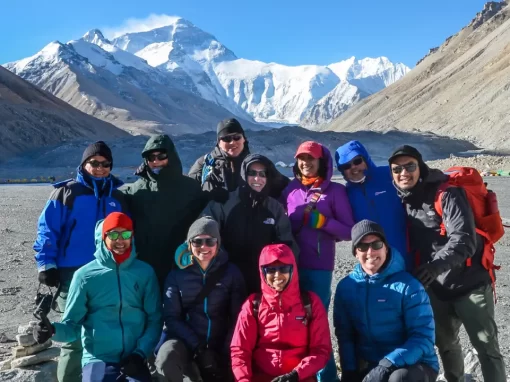
- Everest Base Camp: The other half of Mount Everest, the world's tallest mountain, is located in Tibet. While going to Everest Base Camp on the Nepal side requires a week-long trek, you can drive all the way to Everest Base Camp in Tibet. This base camp is the third most popular destination in Tibet after Mount Kailash and the Potala Palace in Lhasa. You can reach the base camp in Tibet in 6 days. From the base camp, you can either continue to Kathmandu via the Dhram border town or the Kyirong border town. Or you can travel back to Lhasa for an additional two days before departing.
Remote and Off the beaten regions of Tibet
Many regions in Tibet are not very popular among international travelers and are not very easily accessible. Visiting those areas has its own unique flavor and experience. The following are some of the most popular off-the-beaten-path destinations in Tibet.
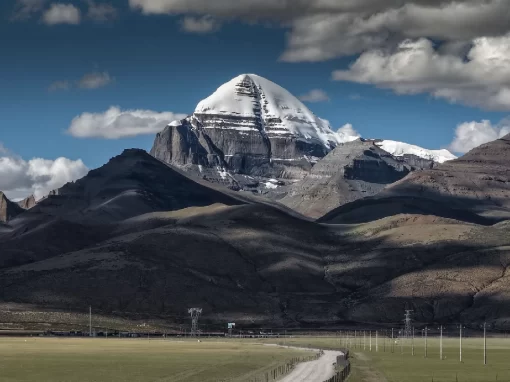
- Mount Kailash and Manasarovar Lake are the most popular travel destinations in Tibet. Due to its remoteness, which is about 2000 km from Lhasa, the majority of tourists would not visit this region. But hundreds of thousands of pilgrims visit this region, making it the most visited and most popular destination in Tibet. On average, it will take about 12- 16 days to visit the area.
- Namtso Lake: If you would like to witness the vastness of the Northern Tibetan highlands, with the lake surrounded by mountains, Namtso Lake is a place for you. Though you can do a day tour from Lhasa to Namtso Lake, returning to Lhasa at night will be a very long day and drive. In most of our tours, we combine a visit to Shigaste with a visit to this lake. In this way, we can add a night's stay in the nearest town, Damxung, before visiting the lake, then return to Lhasa.
- Ancient Ruins of the Guge Kingdom: In the Mount Kailash region, you can find the ruins of the ancient Shangshung Empire and the Guge Kingdom. Besides the holy lake and Mountain, the region is also known for the ruins of its ancient kingdom. Kyunlung is known as the capital of the ancient Shangshung Empire, and Tsaprang is the capital of the medieval kingdom of Guge.
- Kongpo area: The southeastern prefecture of Kongpo is rarely visited by international travel. The region is known for its lush greenery, and it is considered the most beautiful prefecture in Tibet. This region is often referred to as the Switzerland of Tibet. In this region, we have some of the most beautiful lakes in Tibet, such as DrakSum Tso Lake (Basum Tso Lake) and Ranwu Lake. The most popular mountain in the region is Mount Namcha Barwa. most popular festival in the region is spring blossom festival at the end of march each year.
7. Health and Safety: Altitude Sickness and Preparation
Tibet's average altitude is 4500 meters above sea level. You should consider the high altitude as the most significant factor when planning your travel to Tibet. High-altitude sickness can happen to anyone. Preparing for Altitude sickness is very important for the success of your journey in Tibet.
Understanding Altitude Sickness
First, keep in mind that Tibet sits at an unusually high altitude behind the Himalayas. As you go higher, oxygen levels drop. But our bodies need oxygen, and they're used to lower-altitude oxygen levels. Without proper, step-by-step acclimatization, a sudden visit to Tibet can be dangerous. The oxygen supply in the environment will not match your body's needs, prompting your body to adjust to a new environment and obtain the required amount of oxygen, which can lead to high-altitude sickness.
Risks and Symptoms of high altitude sickness:
Common symptoms include fatigue, headache, dizziness, nausea, and insomnia. In most serious cases, vomiting, fever, accelerated pulse, and more severe complications can happen to travelers in very high-altitude areas like Everest Base Camp and Mount Kailash.
Prevention of high-altitude sickness:
- Acclimatization: Acclimatization is key to managing and preventing high-altitude sickness in Tibet. Before anything else, consider how you plan to arrive in Lhasa. Do you plan to take a train from Other Chinese cities to Lhasa, or fly to Lhasa? Traveling to Lhasa by train straight from a lower area is not enough for acclimatization, as all trains in Tibet are pressurized. As a best practice, we recommend you spend 1-2 days in Xining before taking the train to Lhasa or flying directly to Lhasa. After arriving in Lhasa, give your body time to acclimatize to the High altitude; don't use oxygen as soon as you arrive. All our tours include 2 full days in Lhasa for proper acclimatization; after that, the ascent to higher elevations is gradual.
- Hydration: Drink plenty of water. Drink up to 4-6 liters of water daily in Tibet. We recommend drinking less in the evening to prevent multiple bathroom visits at night. As a best practice, bring vitamin C and lemon tablets to add to your water bottle, as lemon and vitamin C are great for acclimatization in Tibet.
- Medication for high altitude sickness in Tibet: Before traveling to Tibet, consult your doctor about a prescription high-altitude medication like Acetazolamide (Diamox). It is also recommended to start taking the medication before leaving for Tibet. Western medicine for high altitude is very difficult to find in other part of China and in Tibet.
- Diet and lifestyle: Maintain a healthy lifestyle not only during your journey to Tibet but also several months before you travel. Regular exercise, especially cardiovascular exercise, is important. If you are planning to visit Tibet for a pilgrimage to Kailash, start exercising and eating healthy months before your travel date.
- Oxygen: Most hotels in Lhasa and other towns now have oxygen. But we don't recommend travelers using oxygen for the first few days or before reaching higher places like Everest and Mount Kailash. The idea is to give the body a chance to acclimatize. If you use oxygen as soon as you arrive in Lhasa, you may struggle somewhere on the tour, which could lead to severe illness. All our cars have oxygen, and we ask clients to use it only in an emergency.
- Other tips before traveling to Tibet: Tibet is a little different from other places in the world. Before you travel to Tibet, it is important to have a proper packing list recommended by a Tibetan travel expert. Dress in multiple layers so you can remove layers when you feel hot and add them back when you feel cold. It's like having your lower body in shade and your upper body in the sun in Tibet. Outside is very hot, and as soon as you enter the monastery, you will feel it is very cold inside.
General Safety:
Tibet is a very safe place to travel, whether you are a solo traveler or a solo female traveler. The main reason is the requirement to book an organized guided tour with a local Tibet travel agency. At Book Tibet Tour, our agency prioritizes your safety with experienced drivers, friendly expert guides, and a well-planned route.
8. Practicalities for Travelers: Packing, Money, and Communication
What to Bring
- Clothing: multiple layers and warm clothes, even if you are visiting Tibet in summer. If your tour includes hiking or trekking, bring comfortable walking shoes and hiking boots. It is best to bring used hiking boots. A waterproof or windproof jacket and pants are recommended, depending on your travel plan.
- Sun Protection: The sun is very strong in Tibet. It is highly recommended to bring high SPF sunscreen (50+ recommended), lip balm with SPF, Sunglasses, and a wide-brimmed hat.
- Battery (power bank): If you plan to bring a power bank. Bring a CCC (China Compulsory Certification)- labeled power bank; otherwise, they will not allow you to bring any other power bank on domestic flights, flights out of China, or trains within China.
- Plug and socket type in China: We use only Type A and Type I plugs in China. Type A is a plug with two parallel flat pins, and Type I is a plug with three pins in a V shape. China uses a 220 V supply voltage and 50 Hz frequency.
Money
- Currency: Tibet, China uses the Yuan (RMB). You can exchange all major international currencies for Yuan in Lhasa. You can go to a bank for the best rate; you can ask your tour guide to call a Muslim currency exchanger; and many hotels exchange currency, but their rates will be significantly lower than the market rate.
- ATMs: You'll find plenty of ATMs in Tibet for withdrawals for tour payments and daily expenses. Yet if you plan to withdraw a large amount of Money, be mindful of the service fees (about 9%), and note that your card may have a daily withdrawal limit of 5000 RMB, in addition to any limits set by your bank or card provider.
- Digital Payments: In Tibet, you can use Chinese digital payments like WeChat Pay and Alipay. To use Alipay, you need to link your account to your debit card, while you can link WeChat Pay to a credit card. You will need to submit a copy of your passport when opening an account or using these payments. Local businesses, such as shops and restaurants, widely use WeChat Pay. Alipay is less prominent than WeChat Pay in Tibet. You can use these two payment options in as remote as a teashop behind Drolmala Pass in Kailash.
- POS terminal (Point of Sale terminal) or a payment terminal: Travelers often think they can swipe a credit card at local businesses in Tibet. Although many businesses have a machine, most don't have one that accepts VISA, Mastercard, or other major international card schemes. For tour payments, most travel agencies don't accept credit cards, as card machines can be flagged for suspicious activity after a few attempts, and reactivation can take days. Also, all credit card machines in Tibet are GPS-locked to travel agencies' office locations, which are often 10s of kilometers away from downtown.
- Daily expenses: In most hotels, breakfast is included with the hotel accommodation. For lunch and dinner, budget about 7-14 USD per person per meal. Meals are more expensive as you go into more remote areas in Tibet, like Kailash.
- Money Exchange: The best place to exchange money in Tibet is at banks, which offer the current market rate. Yet visiting banks takes plenty of Time. The second-best option is a local currency trader. They will give .1 less than the banks. Finally, most hotels and tour guides can and will help you change money, but they'll offer a lower rate, up to 6.0-6.1 RMB/dollar.
In remote areas, you're less likely to find banks, and you may have little to no option to exchange money. So we recommend doing all money-related work in bigger cities like Lhasa and Shigatse. We also help clients in need of money by sending money online to your guide when the travelers ask.
Tipping
Tipping is very common in Tibet tourism, so travelers often tip the tour guide and drivers at the end of the tour. In restaurants and hotels, tipping is uncommon, though it's appreciated. The average tip ranges from USD 0 to 100; USD 20 for a guide and USD 100 for a driver.
Communication and Internet
The internet in China is different. Most communication and social media apps don't work, or in simple terms, you can't access them. But there are ways to navigate around and use most of them.
- WiFi: All hotels in Tibet have internet, except for overnight stays at Mountsh, where facilities aren't comparable to other places because of its remoteness. You can even find WiFi connections in restaurants and coffee shops at Everest Base Camp.
- SIM Cards and eSIM: As you enter China, you can purchase a China Mobile SIM card at the airports. We can help you purchase SIM cards in Tibet. The best option is an eSIM, which works in China, such assuch as Airalo or Holafly. If you use an eSIM in Tibet, you can access International apps like WhatsApp, Instagram, and Facebook directly without special software.
- WeChat: Everyone in China uses WeChat. WeChat is a super app that combines WhatsApp, Facebook, PayPal, and TikTok in one. Before arriving in China, download and set up the account. This is especially handy for communicating with your tour guide and travel agency in Lhasa.
- VPN: If you don't plan to use an eSIM during your travel to Tibet. It is a good idea to download and subscribe to a VPN service provider. This software can help you access international apps and websites that are inaccessible on the Chinese internet.
9. Cultural Etiquette and Responsible Travel
To enhance your travel experience in Tibet, respect local Tibetan customs and travel responsibly. You can support local Tibetan communities by choosing to work with a local Tibetan travel agency, as most Tibetan agencies work with local tourism professionals and businesses.
Cultural Etiquette
- Dress Conservatively: When visiting monasteries in Tibet, dress modestly to show respect for places of worship and monasteries where monks observe strict vows. Don't wear revealing clothes like sleeveless shirts, short pants, or skirts.
- Photography: Tibet is a very unique destination for photography. Yet it is also a very sensitive area. If you want to photograph locals, always ask permission before taking their picture. Taking photos inside monasteries and temples is normally prohibited without consent. There are often additional fees for taking pictures.
- Buddhist Customs: The following are a few Buddhist customs travelers need to know before traveling to Tibet.
-
- We circumambulate clockwise around temples. Monasteries and stupas
- Please do not climb over or step over sacred objects like statues, stupas, and prayer flags.
- When entering shrine rooms of monasteries and temples, remove your hat.
- When discussing statues, wall paintings, and holy objects on display, don't point your index finger.
- Only elderly and high lamas touch the heads of subordinates and the younger generation as a blessing. Don't touch the head of monks or nuns.
- Local interactions: When you give something to locals, or they offer you something. Accepting or offering with both hands shows respect. You will often meet locals asking to take a photo with you. Locals rarely see foreigners unless they live near a tourist area. Avoid discussing anything political with locals, as it can put them and you in an uncomfortable situation.
Responsible Travel:
- Support Local Businesses: We highly recommend choosing a local Tibetan travel agency. The travel agency is your gateway to Tibet. If you choose a Tibetan agency, they will hire a Tibetan tour guide and driver; you will stay in Tibetan hotels, and guides will take you to the best Tibetan shops and restaurants.
- Ethical Donations: In Tibet, you will find beggars. If you meet a child beggar, don't give them money, as it can discourage parents from sending the child to school, which is provided free by the government. If you want to donate to monasteries and local schools, discuss it with your tour guide, and they will find a proper way to ensure it reaches the right person.
- Eco-friendly Practice: As a responsible traveler, minimize your environmental footprint in Tibet. Bring a reusable water bottle, and dispose of trash properly. Drivers will take trash from the bin to the recycling bin. Pack your trash properly in the car.
10. Budgeting Your Trip: Costs and Inclusions
First, you will need to know that independent travel is not allowed for all international travelers visiting Tibet. You must book your tour through a local agency like Book Tibet Tour; we will apply for your Tibet Travel Permits and arrange mandatory services such as a local Tibetan tour guide and a private vehicle with driver.
With such arrangements, traveling to Tibet is not economical. Traveling to Tibet is more expensive compared to other international destinations like Beijing, Hong Kong, or Nepal. Tour costs in Tibet depend heavily on the tour length, group size, destinations, and travel style.
What’s Typically Included
A standard tours in Tibet or Tibet tour packages from our agency, Book Tibet Tour, usually covers:
- Tibet travel permits and all other required permits based on the tour itinerary or places of visit in Tibet.
- Licensed English-speaking Tibet Tour Guide; we also have very good French-speaking and Italian-speaking Tibetan tour guide options.
- Private tourist-licensed vehicle with experienced Tibetan drivers.
- Accommodation in Tibet. We can book your accommodation in the best hotels in Tibet based on our experience. But travelers can choose accommodation in Lhasa and Shigatse. Yet, we often recommend the hotel booking to us as we have more dealing with hotels in Tibet unless you are staying in 5 star hotel in Tibet.
- All the entrance fees to the listed attractions are in the detailed tour plan.
- Bottled water during travel in car
What’s Typically NOT Included
- Chinese Visa fees. You must apply for your own visa if your nationality doesn't have a visa-free entry to China.
- International/Domestic flights or train tickets to/from Lhasa. We can help book the train ticket to Lhasa, since non-Chinese citizens can't book on the China train booking platform on their own.
- We don't include lunches or dinners, so the client can choose where and what to eat during the trip to Lhasa. (All hotels include breakfast with accommodations.
- Travel Insurance (We buy insurance for every tour in Tibet, but most of it doesn't cover much, and it is not very convenient to work with local insurance.) Instead, we always recommend travelers purchase international insurance like Global Nomad.
- Gratitude for the tour guide and the driver at the end of the tour.
- Personal expenses like laundry, souvenirs, snacks, and additional activities or extra costs after changes to the tour plan.
Estimated Costs (only for reference)
- 8-Day Tour (e.g., Lhasa & EBC):
- Group Tour: Expect around USD 1,300 per person.
- Private Tour: For 2 travelers, expect USD 1,800- USD 2,300+ per person. The per-person cost drops as the group grows.
- 15-day tour (to Kailash)
- Group tour: expect around USD 2,000 to 2,300 per person.
- Private tour: for 2 travelers, expect USD 3000 - 3500 USD per person. The per-person cost drops as the group grows.
- Daily Spending: Budget an additional USD 30-40 per person per day for meals and personal expenses.
- Cost-Saving Tips: If you are looking for an affordable tour in Tibet, the best option is to join a group tour. Traveling during the shoulder season (April-May, Oct-Nov) or low season (Nov-Mar) can also significantly reduce costs compared to peak season.
11. Choosing a Reliable Local Travel Agency
The most important decision you'll make when traveling to Tibet is choosing the right travel agency to host you. As you may know, independent travel is not permitted in Tibet, and all tours for international travelers must be arranged through a local agency as a guided tour. Your choice of travel agency will directly affect the quality, safety, and authenticity of your experience in Tibet.
Why Choose a Local Tibetan-Owned Agency?
- Authentic Experience: We (Book Tibet Tour) are a local, Tibetan-owned travel agency. We have a deep understanding of local Tibetan culture, traditions, and hidden gems. All our tour guides and drivers are native Tibetans with unparalleled insight into our land and its people.
- Permit Expertise: Only a locally registered travel agency in Tibet can apply for a Tibet travel permit. As a local base travel agency in Lhasa, we apply for all our permits ourselves, so we have up-to-the-minute information on your permit application, as well as up-to-date updates on permit regulations and any changes. As a local registered agency, we can efficiently handle all your permit applications on your behalf.
- On-the-ground support: As a local agency, our team is always readily available to assist you throughout your journey in Tibet. We can adapt the tour plan swiftly and effectively for unforeseen circumstances.
- Supporting local communities: As a responsible local travel agency, we work only with local Tibetan businesses like hotels and restaurants. In addition to that, all our tour guides and drivers are local Tibetan professionals. By choosing us as your local travel partner, your travel directly contributes to the livelihoods of hundreds of Tibetan families, helping foster sustainable tourism and preserve our unique cultural heritage.
- Customization and flexibility: One of the biggest benefits of choosing our travel agency is our ability to craft a personalized tour plan to suit your interests and fitness level. While you are in Tibet, we are always ready to adjust your tour plan if you wish. We also include extra days and extra attractions you may be interested in visiting, so we can adjust the tour plan based on new requests from our beloved clients.
Start Your 2026 Tibet Journey with Us!
Travel to Tibet in 2027 with the best local Tibetan Travel agency. With two decades of experience running tours in Tibet, we promise an enriching, unforgettable travel experience crafted by Tibetan experts. We plan your tour carefully, adhering to Tibet travel regulations while embracing the unique challenges and rewards this extraordinary land offers your explorer heart.
As a leading Tibetan travel agency with decades of experience, we are dedicated to providing you with an authentic, safe, and smooth journey to the Roof of the World. Our Tibet travel expert in Lhasa are always availeble to guide you on every step of the way, from planning the tour, guiding you to Tibet travel regulation, to securing Tibet travel permits and China Visa (If applicable to you) to negivating the delivery of the permit your hotel in cities of China to the border for Nepal-Tibet travel.
Contact us now to plan your ultimate Tibet adventure for 2027. Let us help you discover Tibet's majestic beauty and profound spirituality.